Running a small business? Supercharge your sales with the right CRM. Discover the ultimate Sales CRM software for small business tools that boost efficiency, close more deals, and keep customers happy—all without breaking the bank.
Why Sales CRM Software for Small Business Is a Game-Changer

Small businesses often operate with limited resources, making efficiency critical. A Sales CRM software for small business isn’t just a luxury—it’s a necessity for staying competitive. It centralizes customer data, automates repetitive tasks, and provides insights that help teams sell smarter, not harder.



Streamlines Customer Relationship Management
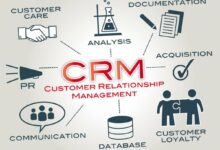
One of the primary benefits of Sales CRM software for small business is its ability to consolidate customer interactions in one place. Instead of scattered spreadsheets or sticky notes, every call, email, meeting, and deal stage is logged automatically.
- Tracks all customer touchpoints across email, phone, and social media
- Reduces data entry errors with automated logging
- Enables quick access to customer history for personalized service
This centralized approach ensures that no lead slips through the cracks and every team member has the context they need to engage effectively.
Boosts Sales Team Productivity
Time is money, especially in a small business. CRM tools automate routine tasks like follow-up emails, appointment scheduling, and lead assignment, freeing up your sales reps to focus on closing deals.
- Automated workflows reduce manual administrative burden
- Task reminders keep teams on track with no missed follow-ups
- Integration with calendars and email (like Gmail or Outlook) enhances workflow efficiency
“A well-implemented CRM can increase sales productivity by up to 34%, according to Nucleus Research.”
For small teams wearing multiple hats, this productivity boost can be the difference between hitting and missing monthly targets.
Top 7 Sales CRM Software for Small Business in 2024
With dozens of CRM platforms on the market, choosing the right one can be overwhelming. We’ve narrowed it down to seven of the most effective Sales CRM software for small business options that balance affordability, ease of use, and powerful features.
1. HubSpot CRM
HubSpot CRM is a favorite among small businesses for its intuitive interface and robust free plan. It’s not just a CRM—it’s a full sales, marketing, and service platform that scales with your business.
- Free forever plan with contact management, deal tracking, and email integration
- Seamless integration with HubSpot’s marketing and service hubs
- Excellent reporting dashboards and pipeline visualization
HubSpot’s strength lies in its ecosystem. As your business grows, you can upgrade to paid tiers without switching platforms. Learn more at HubSpot CRM.
2. Zoho CRM
Zoho CRM offers a powerful blend of automation, AI, and customization at a budget-friendly price. It’s ideal for small businesses that want enterprise-level features without the enterprise cost.
- AI-powered assistant (Zia) for predictive sales forecasting
- Highly customizable workflows and sales pipelines
- Strong mobile app for on-the-go sales teams
Zoho integrates with over 40 business applications, including Google Workspace and Microsoft 365. Visit Zoho CRM to explore its capabilities.
3. Salesforce Essentials
Salesforce is synonymous with CRM, and Essentials is its entry-level product tailored for small businesses. It brings the power of Salesforce’s robust platform to teams with 10 or fewer users.
- Simple setup with pre-built sales processes
- Real-time collaboration tools and mobile access
- Access to Salesforce AppExchange for extended functionality
While it’s more expensive than some competitors, Salesforce Essentials offers unmatched scalability. Check it out at Salesforce Essentials.
Sales CRM software for small business – Sales CRM software for small business menjadi aspek penting yang dibahas di sini.
4. Pipedrive
Pipedrive is built by salespeople, for salespeople. Its visual sales pipeline makes it easy to track deals from lead to close, making it one of the most intuitive Sales CRM software for small business platforms available.
- Drag-and-drop pipeline management
- Activity reminders and goal tracking
- Strong integration with email, calendar, and telephony tools
Pipedrive excels in simplicity and focus. It’s perfect for small teams that want a no-nonsense CRM that gets out of the way. Learn more at Pipedrive.
5. Freshsales (by Freshworks)
Freshsales combines a clean user interface with powerful AI-driven insights. It’s designed to help small sales teams prioritize leads and close deals faster.
- AI-based lead scoring to identify hot prospects
- Built-in phone and email for seamless communication
- Visual deal timeline for better deal tracking
Freshsales also offers a free plan for up to three users, making it accessible for startups. Explore it at Freshsales.
6. Insightly
Insightly stands out for its project management integration, making it ideal for small businesses that manage client projects alongside sales.
- Combines CRM with project and task management
- Customizable workflows and relationship linking
- Strong API for integration with third-party tools
If your sales process involves long cycles or project-based deliverables, Insightly bridges the gap between sales and operations. Visit Insightly for more details.
7. Agile CRM
Agile CRM is an all-in-one solution that blends sales, marketing, and customer service features. It’s a great fit for small businesses looking to consolidate multiple tools into one platform.
- Integrated marketing automation and email campaigns
- Web analytics and visitor tracking
- Free plan available with basic CRM and sales automation
While it can feel overwhelming at first due to its feature density, Agile CRM offers tremendous value for the price. Learn more at Agile CRM.
Key Features to Look for in Sales CRM Software for Small Business
Not all CRMs are created equal. When evaluating Sales CRM software for small business, focus on features that align with your team’s size, workflow, and growth goals.
Contact and Lead Management
The foundation of any CRM is its ability to store and organize customer data. Look for a system that allows you to capture leads from multiple sources (website forms, emails, social media) and automatically enrich them with details like company size, location, and job title.
- Automatic lead capture from web forms and email
- Duplicate detection and merge tools
- Custom fields for tailored data collection
Effective contact management ensures your team spends less time searching for information and more time selling.
Sales Pipeline and Deal Tracking
A visual sales pipeline helps teams understand where each deal stands and what actions are needed next. The best Sales CRM software for small business offers customizable stages, drag-and-drop functionality, and real-time updates.
- Customizable pipeline stages (e.g., Prospecting, Demo, Negotiation, Closed-Won)
- Deal value and probability tracking
- Forecasting tools based on pipeline data
“Companies using pipeline management in CRM see a 28% higher win rate on deals.”
This transparency improves accountability and helps managers identify bottlenecks early.
Sales CRM software for small business – Sales CRM software for small business menjadi aspek penting yang dibahas di sini.
Automation and Workflow Tools
Automation is a force multiplier for small teams. Look for CRM platforms that allow you to automate repetitive tasks like follow-up emails, task assignments, and status updates.
- Rule-based automation (e.g., send email after lead is created)
- Workflow templates for common sales processes
- Integration with Zapier or native app connectors
Automation reduces human error and ensures consistent follow-up, which is critical for converting leads.
How to Choose the Right Sales CRM Software for Small Business
Selecting the right CRM isn’t just about features—it’s about fit. A tool that works for a tech startup might not suit a local service business. Here’s a step-by-step guide to making the best choice.
Assess Your Sales Process
Map out your current sales cycle from lead generation to closing. Identify pain points: Are leads falling through the cracks? Are follow-ups inconsistent? Is forecasting inaccurate?
- Document each stage of your sales funnel
- Identify manual tasks that could be automated
- Pinpoint information gaps that hinder decision-making
This assessment will help you prioritize which CRM features matter most to your business.
Consider Scalability and Integration
Choose a CRM that can grow with you. Even if you’re a team of three today, will the software support ten users next year? Does it integrate with tools you already use—like email, accounting software, or marketing platforms?
- Check for API access and third-party integrations
- Look for single sign-on (SSO) and security compliance
- Ensure mobile access for remote or field sales teams
Platforms like HubSpot and Salesforce offer extensive ecosystems, making future expansion easier.
Test Before You Invest
Most top CRM providers offer free trials or freemium plans. Take advantage of these to test usability, onboarding, and support.
- Invite key team members to test the CRM
- Import sample data to evaluate performance
- Assess customer support responsiveness
Don’t rush the decision. A CRM is a long-term investment in your sales infrastructure.
Implementing Sales CRM Software for Small Business: Best Practices
Even the best Sales CRM software for small business will fail if not implemented properly. Follow these best practices to ensure a smooth rollout and high user adoption.
Start with Clear Goals
Define what success looks like. Is it reducing lead response time? Increasing conversion rates? Improving forecast accuracy? Clear goals align your team and guide your CRM configuration.
- Set measurable KPIs (e.g., 20% faster lead follow-up)
- Communicate goals to all users
- Use CRM reports to track progress
Without clear objectives, your CRM risks becoming just another data repository.
Train Your Team Effectively
User adoption is the biggest hurdle in CRM implementation. Provide hands-on training and ongoing support to ensure your team feels confident using the system.
Sales CRM software for small business – Sales CRM software for small business menjadi aspek penting yang dibahas di sini.
- Offer live training sessions and video tutorials
- Appoint a CRM champion within the team
- Create a simple user guide or FAQ
“74% of CRM failures are due to poor user adoption, not the software itself.”
Investing in training pays off in consistent data entry and active usage.
Migrate Data Carefully
Moving data from spreadsheets or legacy systems requires planning. Clean your data first—remove duplicates, standardize formats, and verify accuracy.
- Use CSV import tools for bulk data migration
- Test a small dataset before full migration
- Validate imported data for completeness
A clean database ensures your CRM delivers reliable insights from day one.
Common Mistakes to Avoid with Sales CRM Software for Small Business
Even with the best intentions, small businesses often make mistakes when adopting CRM software. Avoid these pitfalls to maximize your ROI.
Over-Customizing Too Early
While customization is powerful, overdoing it early can lead to complexity and confusion. Start with default settings and basic workflows, then refine as you learn what works.
- Resist the urge to build every field and rule upfront
- Use out-of-the-box templates first
- Iterate based on user feedback
Simplicity leads to faster adoption and fewer errors.
Ignoring Mobile Access
Sales don’t happen only at desks. If your CRM lacks a reliable mobile app, your team may skip logging activities, leading to incomplete data.
- Choose a CRM with a robust mobile interface
- Ensure offline access for field sales reps
- Enable mobile notifications for tasks and updates
Mobile access keeps your CRM alive in real-world selling situations.
Failing to Maintain Data Quality
A CRM is only as good as the data it contains. Without regular audits, your system can become cluttered with outdated or incorrect information.
- Schedule monthly data cleanup sessions
- Assign ownership of data entry to team members
- Use validation rules to prevent incomplete records
High-quality data leads to better decisions and more accurate forecasting.
The Future of Sales CRM Software for Small Business
CRM technology is evolving rapidly, driven by AI, automation, and deeper integrations. Small businesses that embrace these trends will gain a competitive edge.
AI-Powered Sales Assistants
AI is no longer science fiction. Modern CRM platforms use AI to predict deal outcomes, recommend next steps, and even draft emails.
- AI-driven lead scoring prioritizes high-value prospects
- Natural language processing (NLP) analyzes call transcripts
- Predictive analytics forecast sales trends
Tools like Zoho Zia and Salesforce Einstein are making AI accessible to small teams.
Sales CRM software for small business – Sales CRM software for small business menjadi aspek penting yang dibahas di sini.
Deeper Integrations with Business Tools
The future CRM won’t just manage contacts—it will connect seamlessly with accounting, project management, and customer support systems.
- Bi-directional sync with tools like QuickBooks and Slack
- Unified customer view across sales, service, and marketing
- Automated handoffs between departments
This interconnected ecosystem eliminates silos and improves customer experience.
Increased Focus on User Experience
As competition grows, CRM vendors are prioritizing ease of use. Expect more intuitive interfaces, voice commands, and guided onboarding.
- Drag-and-drop customization without coding
- Contextual help and in-app tutorials
- Personalized dashboards based on user role
A user-friendly CRM reduces training time and boosts adoption.
What is the best Sales CRM software for small business?
The best Sales CRM software for small business depends on your specific needs. HubSpot CRM is ideal for teams wanting a free, scalable solution. Pipedrive excels in visual pipeline management, while Zoho CRM offers powerful automation at a low cost. Evaluate based on ease of use, integration, and support.
Is a CRM worth it for a small business?
Absolutely. A CRM helps small businesses manage leads, improve customer relationships, and increase sales efficiency. Even with a small team, a CRM reduces manual work, prevents lost opportunities, and provides data-driven insights for growth.
Can I use CRM software for free?
Yes, several CRM platforms offer free plans. HubSpot CRM, Zoho CRM, and Agile CRM have robust free tiers suitable for small teams. These often include contact management, deal tracking, and basic automation—perfect for getting started.
How long does it take to implement a CRM?
Implementation time varies. Simple CRMs like Pipedrive can be up and running in a day. More complex systems may take 2–4 weeks, including data migration, training, and customization. Starting with a phased rollout can speed up adoption.
What happens if my team doesn’t use the CRM?
Sales CRM software for small business – Sales CRM software for small business menjadi aspek penting yang dibahas di sini.
Poor adoption leads to incomplete data, inaccurate forecasts, and missed opportunities. To prevent this, set clear expectations, provide training, and lead by example. Make CRM usage part of your sales process and culture.
Choosing the right Sales CRM software for small business is one of the most impactful decisions you can make. From boosting productivity to improving customer relationships, the right CRM acts as the central nervous system of your sales operation. Whether you opt for HubSpot’s simplicity, Zoho’s automation, or Pipedrive’s visual pipeline, the key is to start, stay consistent, and continuously optimize. With the insights and tools covered in this guide, you’re well-equipped to select and implement a CRM that drives real growth. Don’t wait—your future sales success starts with the click of a button.
Further Reading: