Running a small business is thrilling, but managing customer relationships manually? That’s a fast track to burnout. Enter CRM software for small business—your digital ally for smarter sales, better service, and real growth.
What Is CRM Software for Small Business?

Customer Relationship Management (CRM) software is a digital system designed to help businesses manage all interactions with current and potential customers. For small businesses, CRM software acts as a centralized hub for storing customer data, tracking communications, managing leads, and automating repetitive tasks.

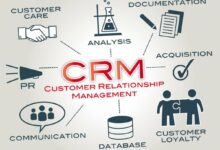

Core Functions of CRM Systems
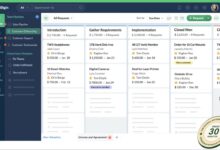
At its heart, CRM software for small business streamlines operations by offering tools that support key business functions. These include contact management, sales pipeline tracking, email integration, task automation, and customer support logging.
- Store and organize customer contact details
- Track every interaction (calls, emails, meetings)
- Manage leads from first touch to close
- Automate follow-up emails and reminders
- Generate reports on sales performance and customer behavior
These features help small teams stay organized without needing a large administrative staff.
Why Small Businesses Need CRM
Many small business owners still rely on spreadsheets, sticky notes, or memory to manage customer relationships. This approach is not only inefficient but also prone to errors and missed opportunities. A dedicated CRM software for small business ensures that no lead slips through the cracks and that every customer feels valued.
“A small business using CRM sees up to 29% increase in sales productivity.” — Nucleus Research
With a CRM, teams can collaborate more effectively, forecast sales with greater accuracy, and deliver personalized experiences that build loyalty.
Top 7 CRM Software for Small Business in 2024
Choosing the right CRM can be overwhelming. To simplify your decision, we’ve analyzed the top seven CRM platforms tailored for small businesses. Each offers scalability, affordability, and essential features without unnecessary complexity.
1. HubSpot CRM
HubSpot CRM is widely regarded as one of the best CRM software for small business due to its intuitive interface and robust free plan. It integrates seamlessly with marketing, sales, and service tools, making it ideal for growing companies.
- Free forever plan with core CRM features
- Drag-and-drop sales pipeline management
- Email tracking and scheduling
- Integration with Gmail, Outlook, and HubSpot’s marketing suite
HubSpot’s ecosystem allows small businesses to scale without switching platforms. Its automation capabilities, such as workflows and deal tracking, reduce manual effort significantly. Learn more at HubSpot CRM.
2. Zoho CRM
Zoho CRM offers a powerful blend of customization and affordability, making it a favorite among small businesses with diverse needs. It supports AI-driven insights through Zia, its built-in assistant, which predicts deal closures and suggests next steps.
- Highly customizable sales pipelines
- AI-powered sales forecasting
- Multi-channel communication (email, phone, social media)
- Mobile app with offline access
Zoho CRM integrates with over 40 business applications, including QuickBooks and Mailchimp. Its tiered pricing starts at just $14/user/month, offering excellent value. Explore Zoho CRM at Zoho CRM.
3. Salesforce Essentials
Salesforce, a global leader in CRM, offers Salesforce Essentials—a streamlined version designed specifically for small businesses. It brings enterprise-grade functionality to smaller teams without the complexity.
- Simple setup with pre-built templates
- Real-time collaboration across teams
- Integration with email, calendar, and social media
- Customizable dashboards and reports
Salesforce Essentials starts at $25/user/month and scales with your business. It’s ideal for companies planning rapid growth. Visit Salesforce Essentials for details.
4. Freshsales (by Freshworks)
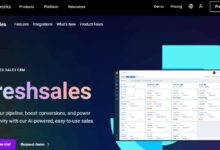
Freshsales stands out for its modern interface and built-in phone and email capabilities. It’s particularly effective for sales-driven small businesses that want everything in one place.
- Click-to-call and voice recording
- Visual deal pipeline with drag-and-drop functionality
- Lead scoring to prioritize high-value prospects
- AI-based insights for follow-up timing
Freshsales offers a free plan for up to 10 users, making it accessible for startups. Its paid plans start at $15/user/month. Check it out at Freshsales.
5. Insightly
Insightly is perfect for small businesses that need project management alongside CRM. It bridges the gap between sales and operations, allowing teams to track customer projects from inquiry to delivery.
- Project and task management integration
- Customer relationship linking (understand stakeholder networks)
- Workflow automation for lead nurturing
- Mobile app with full functionality
Priced from $29/user/month, Insightly is slightly more expensive but delivers exceptional value for service-based businesses. Learn more at Insightly.
6. Pipedrive
Pipedrive is built for sales-focused small businesses. Its visual sales pipeline makes it easy to see where each deal stands, helping teams stay focused on moving prospects forward.
- Intuitive drag-and-drop sales pipeline
- Activity reminders and automation
- Email integration and tracking
- Customizable reports and forecasts
Pipedrive’s strength lies in its simplicity and sales-centric design. It starts at $14.90/user/month and offers a 14-day free trial. Discover Pipedrive at Pipedrive.
7. Agile CRM
Agile CRM combines sales, marketing, and service tools in one affordable package. It’s a great choice for small businesses looking for an all-in-one solution without overspending.
- Free plan for up to 10 users
- Marketing automation (email campaigns, web tracking)
- Telephony integration and call logging
- Customer support ticketing system
Agile CRM starts at $14.99/user/month and includes features typically found in higher-tier CRMs. Visit Agile CRM to explore its capabilities.
Key Features to Look for in CRM Software for Small Business
Not all CRM systems are created equal. When evaluating CRM software for small business, focus on features that align with your operational needs and growth goals.
User-Friendly Interface
A CRM should simplify work, not complicate it. Look for platforms with intuitive dashboards, easy navigation, and minimal learning curves. A clean interface ensures faster adoption across your team.
- Drag-and-drop functionality
- Customizable home screens
- Mobile responsiveness
Platforms like HubSpot and Pipedrive excel in usability, making them ideal for non-technical users.
Integration Capabilities
Your CRM should work seamlessly with tools you already use—email, calendars, accounting software, and marketing platforms. Strong integration reduces data silos and improves workflow efficiency.
- Gmail and Outlook sync
- Integration with Zoom, Slack, or Microsoft Teams
- Connectors for Shopify, QuickBooks, or Mailchimp
Zoho CRM and Salesforce offer extensive integration libraries, ensuring compatibility with most business ecosystems.
Automation and Workflow Tools
Automation is a game-changer for small teams with limited bandwidth. The right CRM software for small business should automate repetitive tasks like follow-up emails, task assignments, and data entry.
- Email sequence automation
- Task reminders based on triggers
- Lead assignment rules
Freshsales and Agile CRM provide powerful automation features even in their entry-level plans.
How CRM Software Boosts Small Business Productivity
Implementing CRM software for small business isn’t just about storing data—it’s about transforming how you work. A well-chosen CRM can significantly enhance productivity across departments.
Sales Team Efficiency
Sales teams spend less time on admin and more time selling when using a CRM. Automated logging of calls and emails, real-time deal tracking, and reminder systems ensure no opportunity is missed.
- Reduce manual data entry by up to 50%
- Improve lead response time
- Enhance forecasting accuracy
According to a study by Capterra, businesses using CRM report a 27% increase in sales performance.
Marketing Personalization
CRM systems collect rich customer data that can be used to create targeted marketing campaigns. Segmenting contacts by behavior, purchase history, or engagement level allows for hyper-personalized messaging.
- Send personalized email campaigns
- Track campaign ROI
- Retarget inactive customers
HubSpot and Agile CRM offer built-in marketing automation that small businesses can leverage without hiring specialists.
Customer Service Improvement
A CRM helps service teams access customer history instantly, leading to faster resolutions and higher satisfaction. Ticketing systems, knowledge bases, and feedback collection tools are often included.
CRM Software for Small Business – CRM Software for Small Business menjadi aspek penting yang dibahas di sini.
- Reduce response time to customer inquiries
- Track support tickets to resolution
- Identify recurring issues for proactive fixes
Insightly and Freshsales include robust service modules that integrate directly with customer records.
Common Challenges and How to Overcome Them
While CRM software for small business offers immense benefits, adoption isn’t always smooth. Understanding common pitfalls can help you avoid them.
Low User Adoption
One of the biggest challenges is getting team members to consistently use the CRM. Resistance often stems from complexity or lack of training.
- Choose a user-friendly platform
- Provide hands-on training sessions
- Assign a CRM champion within the team
Start with essential features and gradually introduce advanced tools to prevent overwhelm.
Data Migration Issues
Transferring data from spreadsheets or legacy systems can be time-consuming and error-prone.
- Use built-in import tools with CSV support
- Clean your data before migration
- Test with a small dataset first
Most CRMs, like Zoho and HubSpot, offer free migration assistance for new customers.
Over-Customization
While customization is valuable, overdoing it can lead to complexity and maintenance issues.
- Stick to essential custom fields
- Avoid unnecessary automation rules
- Review configurations quarterly
Focus on solving immediate business needs rather than building a perfect system from day one.
How to Choose the Right CRM Software for Small Business
Selecting the best CRM software for small business requires careful evaluation of your goals, team size, budget, and technical capacity.
Assess Your Business Needs
Start by identifying your primary pain points. Are you losing leads? Struggling with follow-ups? Need better reporting? Your answers will guide your CRM choice.
- Map your sales process
- List required integrations
- Determine must-have features
For example, a consulting firm might prioritize project tracking (Insightly), while a retail startup may need marketing automation (HubSpot).
Consider Scalability
Choose a CRM that grows with you. A platform that works for 5 users should still be effective at 50.
- Check pricing tiers and feature availability
- Review API access for future integrations
- Look for mobile and offline capabilities
Salesforce Essentials and Zoho CRM are excellent choices for businesses planning long-term expansion.
Test Before You Commit
Most CRM providers offer free trials or freemium plans. Use this time to test usability, integration, and team feedback.
- Import sample customer data
- Simulate a sales cycle
- Gather input from key users
A two-week trial is usually sufficient to evaluate fit and functionality.
Future Trends in CRM for Small Businesses
The CRM landscape is evolving rapidly, driven by AI, mobile technology, and customer expectations. Staying ahead of trends ensures your small business remains competitive.
AI-Powered Insights
Artificial intelligence is transforming CRM from a data repository to an intelligent advisor. AI can predict customer behavior, recommend next steps, and automate responses.
- Zia in Zoho CRM predicts deal success
- HubSpot’s AI suggests email content
- Freshsales uses AI to optimize follow-up timing
Small businesses can leverage AI without hiring data scientists—these tools are built-in and easy to use.
Mobile-First CRM Design
With remote work and field sales on the rise, mobile access is no longer optional. Modern CRM software for small business prioritizes mobile functionality.
- Offline data access
- Mobile task management
- Click-to-call from mobile apps
Pipedrive and Freshsales offer best-in-class mobile experiences, allowing teams to work from anywhere.
Integration with Communication Platforms
CRMs are increasingly integrating with tools like Slack, WhatsApp, and Microsoft Teams to capture customer interactions in real time.
- Log chats directly into CRM
- Receive deal updates in team channels
- Trigger workflows from messaging apps
This trend reduces context switching and keeps communication centralized.
What is the best CRM software for small business with a free plan?
HubSpot CRM and Agile CRM offer robust free plans that include contact management, email tracking, and basic automation. HubSpot is ideal for marketing-focused businesses, while Agile CRM suits teams needing sales and service tools.
Can CRM software help with customer retention?
Absolutely. CRM software for small business tracks customer interactions, purchase history, and feedback, enabling personalized follow-ups and proactive service. This leads to higher satisfaction and loyalty.
How much does CRM software typically cost for small businesses?
Most CRM platforms start at $12–$15 per user per month. Some, like HubSpot and Agile CRM, offer free plans. Costs vary based on features, number of users, and add-ons like marketing automation.
Is CRM software difficult to set up for a small team?
Not anymore. Modern CRM software for small business is designed for quick setup. Many offer guided onboarding, templates, and customer support to get you running in days, not weeks.
Do I need technical skills to use CRM software?
No. Today’s CRM platforms are built for non-technical users. With intuitive interfaces, drag-and-drop tools, and extensive help resources, most small business owners can manage a CRM independently.
Choosing the right CRM software for small business is one of the most impactful decisions you can make. From boosting sales productivity to enhancing customer relationships, the right platform acts as a force multiplier for your team. Whether you opt for HubSpot’s seamless ecosystem, Zoho’s customization, or Pipedrive’s sales focus, the key is to start—consistently use the tool, train your team, and scale intelligently. In today’s competitive landscape, a CRM isn’t a luxury; it’s a necessity for sustainable growth.
CRM Software for Small Business – CRM Software for Small Business menjadi aspek penting yang dibahas di sini.
Further Reading: